Hunting for multifamily deals in Portland, Maine can feel like a moving target. You want stable income, room to improve, and a strategy that fits your financing and timeline. In this guide, you will see where opportunities are clustering now, what building types to expect, and how to navigate pricing, regulations, and risk in Portland and nearby towns. Let’s dive in.
How opportunities map across Portland
Portland’s multifamily market sorts into three broad lanes: core and stable on the peninsula, value-add and growth in Bayside and select in-town pockets, and yield and scale in adjacent municipalities like South Portland and Westbrook.
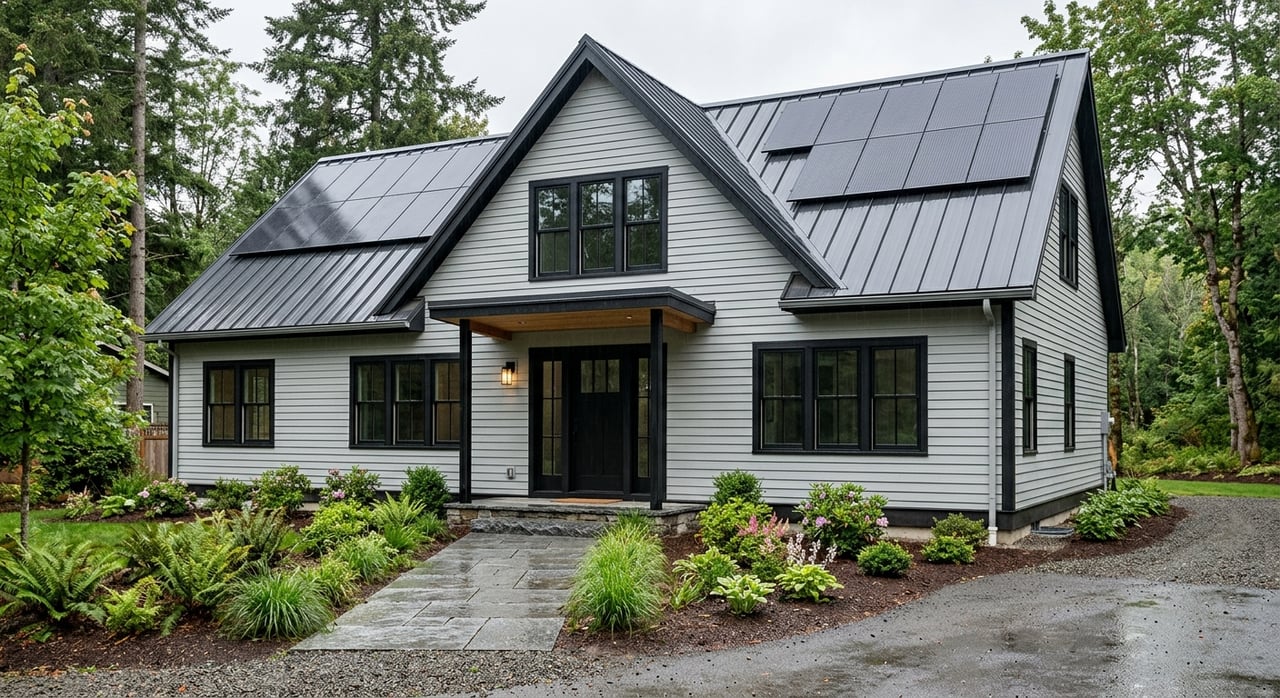
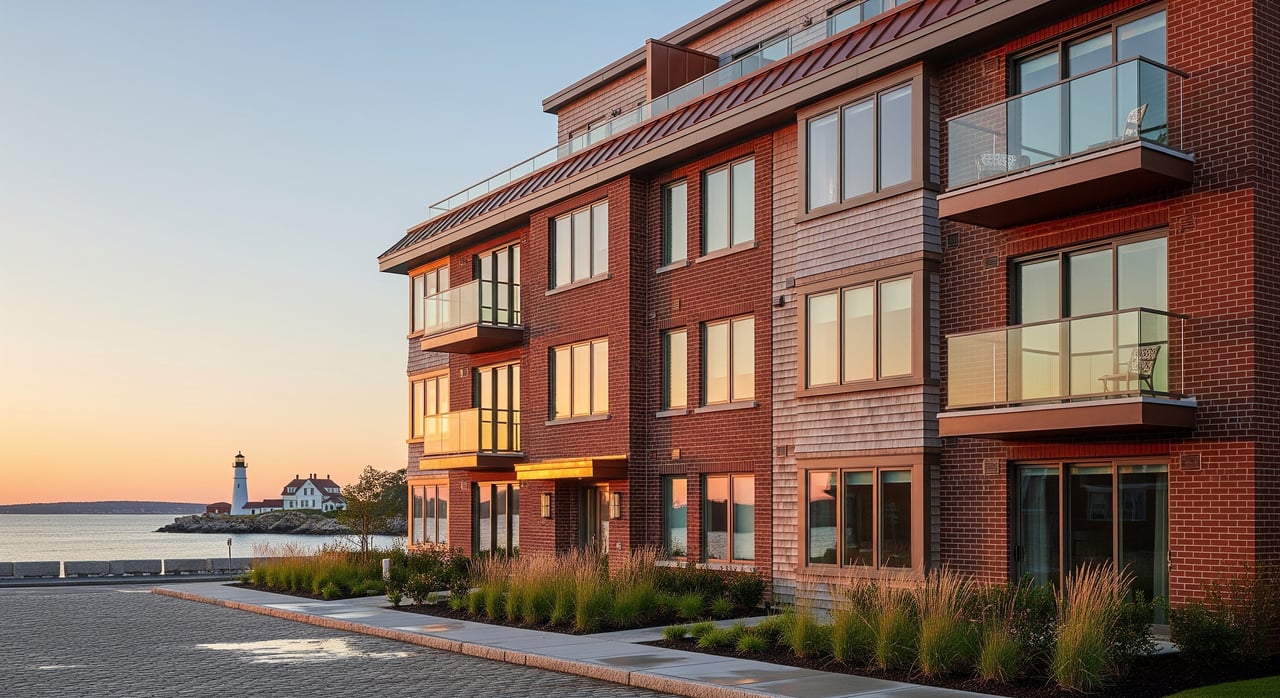
Across the city you will see three common building types. Older neighborhoods feature 2 to 4 unit wood-frame properties and converted triple-deckers. Closer to downtown, you will find 6 to 20 unit walk-ups in brick or wood. Newer activity includes mid-rise and mixed-use projects in Bayside and along the waterfront, and garden-style rentals in nearby suburbs.
Price and risk tradeoffs follow location and building class. Peninsula assets command the highest price per unit and the lowest cap rates, with strong rent stability. Suburban and fringe locations often start with higher yields, but turnover risk and renter profiles differ, so management needs shift.
Core and stable: Peninsula neighborhoods
Old Port, Downtown, West End, Munjoy Hill
- Typical opportunities: 2 to 8 unit walk-ups and mixed-use buildings, with limited availability of medium-size multifamily. Boutique mid-rise conversions are rare and costly.
- Renter demand: Strong for higher-end studios and one-bedrooms, drawing young professionals and workers tied to hospitality and healthcare. Seasonal and short-term demand is notable in Old Port.
- Price and risk: Highest pricing in Greater Portland and lower cap rates, with resilient occupancy. Upside often requires thoughtful repositioning and capital for renovations, ADA items, or energy upgrades.
- Investor fit: Core or core-plus holds. Expect modest but stable cash flow with long-term value growth. Lean on operational polish and quality improvements to move the needle.
Value-add and growth corridors
Bayside and East Bayside
- Typical opportunities: Redevelopment and adaptive reuse, infill on former industrial or parking sites, and newer mid-rise mixed-use buildings.
- Renter demand: Growing with proximity to downtown, major employers, and transit. New construction has cultivated a tenant base that expects modern finishes and amenities.
- Price and risk: Higher growth potential through renovation or repositioning, with zoning in parts that can favor density. Permitting can be an opportunity or a bottleneck, so timing matters.
- Investor fit: Development and joint ventures, or value-add plays. Underwrite the construction pipeline and competition from new deliveries to forecast lease-up and rent levels.
East End and Munjoy Hill
- Typical opportunities: Small wood-frame two- to four-family buildings, with some larger walk-ups and conversions.
- Renter demand: A mix of long-term residents and newcomers who value neighborhood character and waterfront access.
- Price and risk: Mid-range pricing with moderate upside through cosmetic upgrades or improved operations.
- Investor fit: Buy and hold for stable cash flow, with light value-add via unit modernization and better management.
Libbytown, West Bayside, Riverton, and Bayside fringe
- Typical opportunities: Older multifamily stock, often with deferred maintenance. Some pockets are seeing reinvestment and change.
- Renter demand: Value-seeking renters and younger households benefit from access to transit and job centers.
- Price and risk: Solid candidates for renovation and rent repositioning. Be mindful of localized perception, tenant turnover risk, and stability metrics when underwriting.
- Investor fit: Buy low, renovate to market rents, and strengthen management practices. Community engagement and property upkeep can pay off here.
Suburban yield and scale
South Portland, Westbrook, Falmouth, Gorham
- Typical opportunities: Newly built garden-style complexes and larger communities, plus small multifamily at a lower per-unit cost than the peninsula.
- Renter demand: Spillover from Portland, with renters seeking more space, lower cost, or family-friendly settings. Demand concentrates near major employers and retail.
- Price and risk: Generally higher initial yields than core Portland, with more new supply in some locations and different amenity expectations, especially parking and unit size.
- Investor fit: Portfolio building and 1031 exchange targets for scale. Tie strategy to transportation links and employer nodes.
What renters want right now
Portland’s renter demand stays elevated due to a strong regional employment base that includes healthcare, higher education, tourism, and tech and creative fields. Limited single-family affordability and in-migration also support the renter pool. New construction has absorbed much of the recent demand, yet inventory still feels tight in select price tiers. For older units, updates that improve livability and efficiency help with tenant satisfaction and retention.
Financing paths and 1031 moves
For 2 to 4 unit properties, most investors use conventional bank loans or portfolio residential lenders. You may also see occasional seller financing. For 5 or more units, options include commercial mortgages, agency multifamily products where the property qualifies, and bridge or construction loans for heavy rehab and development.
Plan for lender expectations like debt service coverage, capex reserves, and appraisal sensitivity in areas with fast rent growth or sparse comparable sales. For 1031 exchange buyers, Greater Portland is an active destination to trade up from smaller assets or swap into higher-yield suburban inventory. Work closely with a qualified intermediary and your CPA to manage rules and timing.
Regulations that shape returns
Zoning overlays and parking rules can swing project feasibility, especially in in-town locations with higher density potential. Historic district restrictions apply in parts of the peninsula, including the West End, and can limit exterior changes or unit additions. Stay current on inclusionary housing requirements, rental licensing, inspection regimes, and any tenant protection measures that affect notices and turnover. Always verify with the City of Portland’s official resources before you buy or build.
Due diligence checklist
Use this quick list to stress-test a target property and its location:
- Confirm zoning, allowed uses, and any path to add units or an ADU.
- Check historic-district constraints and pending municipal actions.
- Verify utilities and billing, including master meters versus individual meters.
- Obtain a current rent roll, expense statements, and at least 12 months of P&L.
- Order inspections for roof, foundation, mechanicals, electrical, plumbing, and environmental items like lead paint. Get a survey for encroachments.
- Review rental licenses, safety citations, and open permits with the city.
- Validate market rents, vacancy, and recent sales using neighborhood comparables.
- Engage a local property manager to vet turnover, maintenance, and leasing assumptions.
- Review insurance options and costs, including flood considerations for waterfront or low-lying areas.
Risks to underwrite upfront
- Historic restrictions that limit exterior changes or unit counts.
- Deferred maintenance that masks major capital needs like boilers, roofs, or lead remediation.
- Localized crime or perception issues that can suppress achievable rents. Review police data and community input.
- Policy shifts such as new inspection or licensing rules, or tenant protections that affect revenue.
- A wave of new luxury inventory that could lengthen leasing timelines for older, non-upgraded units.
Putting your strategy together
Start by deciding which lane fits your goals. If you want rent stability and a long horizon, the peninsula offers core and core-plus plays with strong occupancy. If you are comfortable with construction and permitting, Bayside and East Bayside can deliver value-add or development upside, provided you track the pipeline. If your focus is cash flow and scale, look to South Portland, Westbrook, Falmouth, and Gorham, and align amenities with suburban expectations.
Across all locations, small investors often target 2 to 8 unit buildings for financing simplicity and entry cost. Moving to 5 or more units opens commercial debt options and a larger buyer pool at exit. Do not overlook operating levers like parking, utility metering, and energy efficiency improvements, which can materially improve NOI and tenant satisfaction in older stock.
Ready to map your next move in Portland or the nearby suburbs? Connect with the local team at Waypoint Brokers Collective for neighborhood-level insight, underwriting support, and a plan that fits your goals.
FAQs
Where to find better cap rates in Greater Portland?
- Adjacent cities and suburbs often show higher initial yields, while peninsula assets command lower cap rates with stronger rent stability.
Are new apartment deliveries hurting rents in Portland?
- New construction has added supply, especially in Bayside and along the waterfront, and effects vary by submarket and unit class, with newer product pulling higher rents.
What building size fits small investors in Portland?
- Many prefer 2 to 8 unit properties for simpler financing and lower entry cost, while 5 or more units open commercial loans and broader exit options.
How important is parking for Portland rentals?
- Very important outside the most walkable core, since limited parking can reduce marketability in commuter and family neighborhoods and raise turnover risk.
What local rules should Portland multifamily buyers watch?
- Verify zoning and parking rules, historic district limits, any rental licensing or inspection requirements, and tenant-protection ordinances before underwriting.
What should a 1031 exchanger consider in Greater Portland?
- Target markets that match your yield or scale needs, confirm exchange timing and rules with a qualified intermediary and CPA, and align financing with property type.