If you’re hoping to buy a brand-new home in Cumberland, Maine, you’ve probably already noticed one thing: there are options, but they do not sit on the market in huge numbers. That can make the search feel a little unclear, especially if you are comparing new construction to older homes or trying to decide whether a pre-construction opportunity is worth it. The good news is that Cumberland’s new-build market offers a real range, from smaller, lower-maintenance homes to larger custom-style builds, and with the right strategy, you can shop it with confidence. Let’s dive in.
Cumberland new construction at a glance
Cumberland is a high-value, mostly owner-occupied market. According to the U.S. Census QuickFacts for Cumberland town, the town has 8,832 residents, 3,109 households, 90.9% owner-occupied housing, and a median owner-occupied home value of $616,800.
That context matters because it helps explain why new construction here tends to be limited in volume but meaningful in price and variety. The research snapshot for Cumberland noted a median new-home price of $695,000, while current examples ranged from a compact 960-square-foot home in the low $400,000s to a permitted home at 11 Coastal Pines with a filed value of $925,000.
In other words, you are not looking at a massive tract-home market. You are looking at a town where new homes tend to show up in smaller pockets, planned clusters, or on larger lots.
Why Cumberland has fewer new homes
A big reason comes down to land use and zoning. Cumberland’s zoning district requirements still call for relatively large lots in many residential districts, including 4-acre and 2-acre minimums in some areas, with smaller lot allowances in certain zones that have sewer access.
The town’s land use chapter update adds more context. Residential districts cover most of the town, about 21% of land in residential districts is vacant, and nearly 93% of that vacant residential land is in rural residential areas. That pattern helps explain why new construction often appears as a small subdivision, a clustered neighborhood, or a one-off home on a larger parcel instead of widespread infill.
For you as a buyer, that means inventory may be narrow at any one time. It also means that when a well-located new home comes to market, it can attract serious attention.
Where new construction is showing up
Recent permit activity suggests that new construction is active, even if it is not happening everywhere at once. The town’s April 2025 building permits showed multiple house permits on Feldspar Lane with estimated costs ranging from $250,000 to $450,000, plus additional 2025 activity including a permit at 25 Feldspar Lane for $450,000 and a separate permit at 11 Coastal Pines for $925,000.
That mix points to two common Cumberland patterns:
- Subdivision-style construction with several homes in one area
- Larger-lot or higher-price single-home builds in other parts of town
If you are exploring a builder or a new neighborhood, Cumberland also maintains a public archive of issued building permits. That can be a practical way to confirm whether a builder is actively pulling permits locally.
What types of homes buyers may find
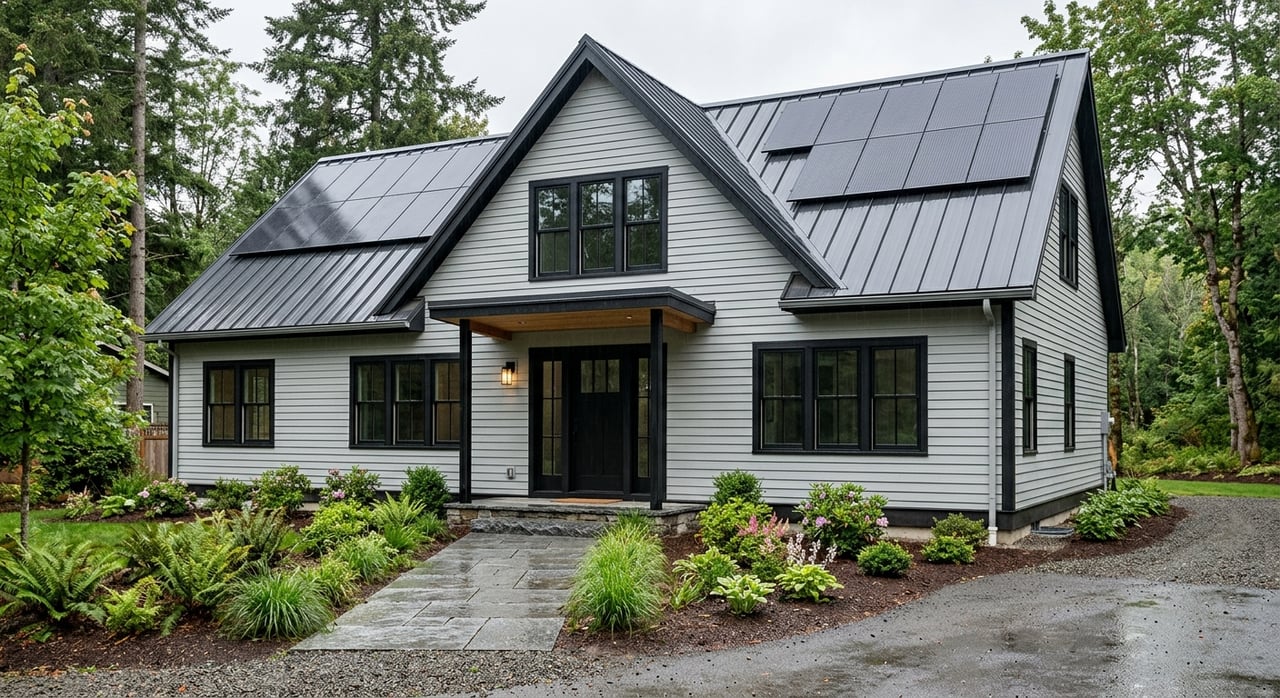
One of the more interesting things about Cumberland’s current new-construction market is the spread in product type. At the lower end of the current snapshot, one active example was a 960-square-foot, 2-bedroom, 1-bath home priced at $419,900. Other current new-home examples in town have been larger 3-bedroom, 2.5-bath homes priced roughly from the mid-$500,000s to the upper-$600,000s.
That means your options may include:
- Compact, lower-maintenance homes
- Mid-size single-family homes in planned neighborhoods
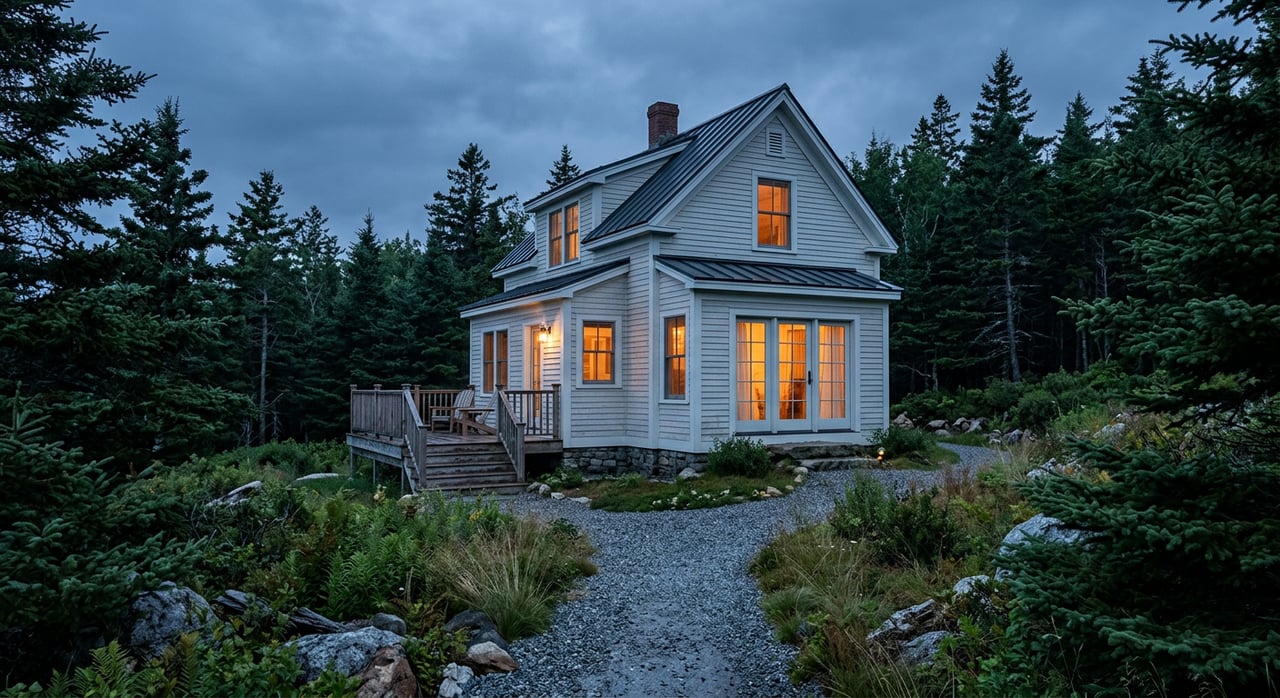
- Higher-priced custom or semi-custom builds on larger lots
This variety can be helpful if you want a newer home but do not need the same amount of space or land as a traditional rural build. It also means you should compare homes carefully, since two “new construction” listings in Cumberland may offer very different size, finish level, site conditions, and completion timelines.
Features you may see in Cumberland new builds
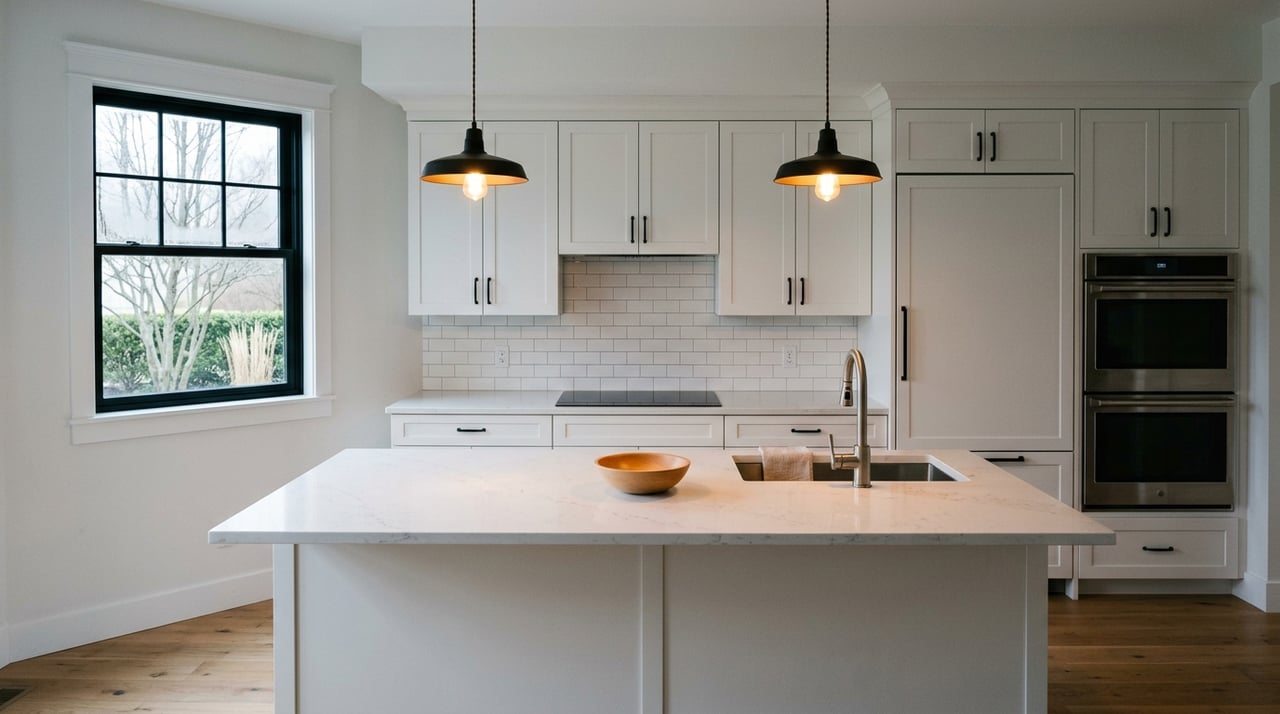
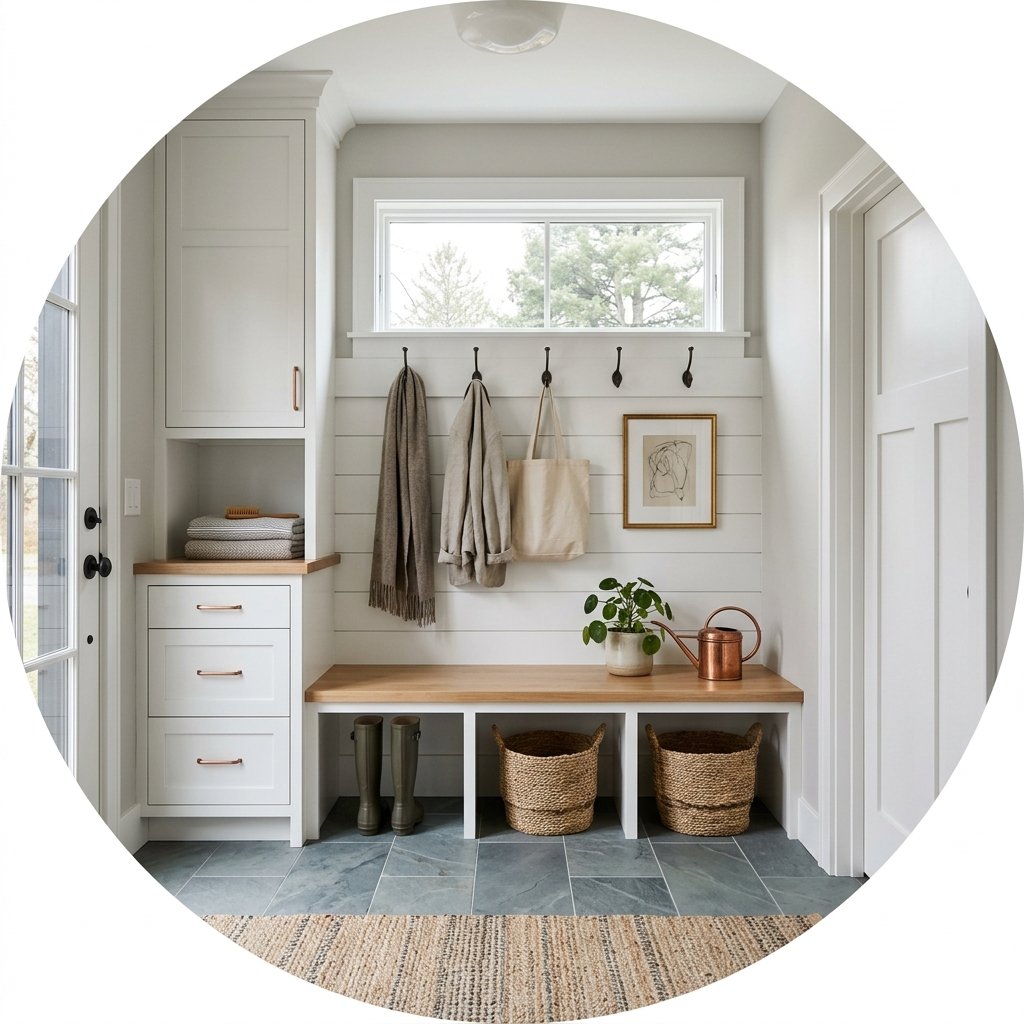
Current listing snapshots suggest that many new homes in Cumberland lean toward practical, modern layouts. Common features include open-concept kitchens and living areas, walk-in closets, full basements, mudrooms, and attached garages.
Some planned neighborhoods also mention shared features like green space, trails, a pond, a sports court, and a playground. That kind of setup is more typical of a coordinated subdivision than a single custom home on a rural lot, so it is worth thinking about which style better fits the way you want to live.
You may also see upgraded features in some homes, such as heat-pump heads, stainless appliances, center islands, covered back decks, or heated and cooled garage space. Still, these are builder-specific features, not market-wide guarantees. If a home is under construction or to-be-built, ask exactly what is included, what is an allowance, and what may cost extra.
Energy performance matters in new construction
One of the biggest advantages of buying new is the chance to get a home built to a more current code baseline than much of Cumberland’s older housing stock. That matters in a town where the housing chapter update reported that 34.1% of housing was built before 1960, and 23.1% was built in 1939 or earlier.
Maine’s statewide building codes program states that MUBEC applies statewide and, as of April 7, 2025, enforcing municipalities must use the amended adoption. That code set includes the 2021 IRC, 2021 IECC, ventilation standards, and radon-control provisions.
For you, the takeaway is simple: new homes should start from a stronger efficiency and health baseline than many older homes. But code compliance is only the starting point. Real-world performance still depends on insulation quality, air sealing, ventilation design, windows, and the heating and cooling system the builder chooses.
Questions to ask about efficiency
If energy use, comfort, and long-term operating cost matter to you, ask direct questions such as:
- What insulation levels are being used in walls, rooflines, and foundation areas?
- How is the home air-sealed?
- What ventilation system is included?
- What type of heating and cooling equipment will be installed?
- Are there radon-control features in the home?
- Are there any builder upgrades for better performance or lower utility costs?
These questions fit especially well in Cumberland, where many buyers are balancing lifestyle, operating costs, and long-term value.
What to know before buying pre-construction
Some Cumberland homes are listed while still under construction or before final completion. That can create opportunity, but it also means you need to slow down and understand the details.
Before you move forward, confirm:
- Estimated completion timing
- What finishes and appliances are included
- Which items are allowances
- Whether floor plans or specs may still change
- Site conditions and lot characteristics
- Landscaping, driveway, and exterior completion details
If you are considering buying land and building, expect a local review process. The town’s Planning Board page notes that subdivision and site-plan applications are reviewed locally, and permit applicants may need a full set of construction plans and a site plan. Shoreland permits may also be required within 250 feet of certain water bodies.
How to vet a builder in Maine
Builder research is especially important in Maine because the state does not license or regulate home contractors. The Maine Attorney General’s contractor guidance recommends checking referrals and references, and it outlines important protections for projects over $3,000.
For home construction or improvement projects over that amount, Maine law requires:
- A written contract
- A warranty statement
- A deposit cap of no more than one-third of the total contract price
- Estimated start and substantial completion dates
- Written and signed change orders
Even if you are buying a finished spec home rather than hiring a contractor directly, this guidance is useful. It can help you understand how professional the builder’s documentation and communication should be.
Budget for property tax changes
One detail buyers sometimes miss is that a new build may be reassessed after completion. Cumberland’s assessor office notes that it reviews deeds, subdivision plans, and building permits and performs site inspections for new permits to determine value.
That means the property tax number you see early in the process may not reflect the final completed home. If you are comparing a new construction purchase with an older resale, make room in your budget for the possibility of a higher post-completion assessed value.
Resale outlook in Cumberland
No one can promise future resale performance, but local planning signals still matter. Cumberland’s 2025 comprehensive plan survey results showed strong interest in more housing options, especially for seniors and the local workforce, alongside strong support for preserving rural character and open space.
That suggests buyers may want to pay attention to homes that fit the town’s broader growth pattern. In practical terms, lower-maintenance homes, efficient layouts, and locations that align with existing infrastructure and zoning may have enduring appeal.
This is one reason it helps to think beyond just finishes. A beautiful kitchen matters, but so do site efficiency, location within the town’s growth pattern, and the long-term operating profile of the home.
Is new construction in Cumberland right for you?
New construction can be a smart fit if you want lower near-term maintenance, updated layouts, and a home that starts from a newer code standard. It can also be appealing if you prefer the idea of choosing finishes, buying into a planned neighborhood, or avoiding the repair list that sometimes comes with older housing.
At the same time, Cumberland is not a market with endless new inventory. The best opportunities often require quick evaluation, careful builder review, and a clear understanding of what you are getting for the price.
If you want help comparing new homes, vetting builders, or weighing a pre-construction opportunity against existing homes in Cumberland, Waypoint Brokers Collective can help you navigate the details with a practical, local perspective. Find your better way home.
FAQs
What new construction price range can buyers expect in Cumberland, Maine?
- Current market snapshots in the research ranged from about $419,900 for a compact 960-square-foot home to a permitted home value of $925,000, with a reported median new-home listing price of $695,000.
What kinds of new homes are available in Cumberland Center and Cumberland?
- Buyers may find a mix of compact homes, subdivision-style single-family homes, and larger-lot custom or semi-custom builds, depending on the location and timing.
Why is new construction inventory limited in Cumberland, Maine?
- Cumberland’s zoning often requires larger lot sizes, and much of its vacant residential land is in rural residential areas, so new supply tends to appear in smaller clusters or on larger parcels rather than as dense infill.
What should buyers ask about a Cumberland new construction home?
- Ask about completion timing, included finishes, allowances, energy features, heating and cooling systems, ventilation, radon-control measures, landscaping, and whether the home is fully complete or still under construction.
How can buyers verify a builder’s activity in Cumberland, Maine?
- You can review the town’s public archive of issued building permits to see whether a builder has been actively pulling permits in Cumberland.
Will property taxes change after buying a new construction home in Cumberland?
- They may. Cumberland’s assessor reviews new permits, plans, and site inspections to determine value, so a completed new home can trigger a reassessment.
Are new homes in Cumberland more energy efficient than older homes?
- They often start from a stronger code baseline because Maine’s current code includes updated energy, ventilation, and radon-control requirements, but actual performance still depends on the builder’s materials and systems.