Wondering what day-to-day life in Portland, Maine actually feels like once the weekend buzz fades? If you are considering a move, a downsize, or a home purchase here, it helps to picture the real rhythm of the city, not just the postcard version. Portland offers a compact coastal lifestyle where neighborhoods feel distinct, daily errands can stay close to home, and waterfront access is part of ordinary living. Let’s dive in.
Portland feels compact and connected
Portland is a city of about 69,568 residents, and much of everyday life centers on its three-mile peninsula. That compact layout shapes how you move through the city, how often you run into familiar places, and how much neighborhood identity matters. Instead of one uniform downtown, Portland is better understood as a collection of districts with their own pace and feel.
For you, that often means daily life feels local. You may find yourself building routines around a few nearby blocks, a regular trail, a favorite coffee shop, or a certain stretch of Congress Street. In Portland, location inside the city can have a big impact on how your week unfolds.
Neighborhoods shape your routine
Portland's neighborhoods are one of the clearest parts of its everyday character. The city and local visitor resources both point to places like the West End, Parkside, Arts District, Old Port, East Bayside, and East End or Munjoy Hill as distinct areas rather than interchangeable parts of one center.
That matters when you are deciding where to live. Portland is less about choosing between city and suburb, and more about choosing between historic residential surroundings, denser mixed-use streets, and waterfront-adjacent living.
West End living
The West End is known for its historic character, restored 19th-century brick homes, and quieter residential feel. If you want a neighborhood that feels urban but a little more tucked away from the busiest nightlife areas, this part of Portland may fit that routine.
Everyday life here can feel a bit calmer while still keeping you close to the peninsula core. You get the benefit of city access with a more residential backdrop.
Parkside living
Parkside sits near Deering Oaks, which is described as Portland’s largest public park and a common gathering place for markets and events. That gives the neighborhood a different kind of daily energy, with green space playing a visible role in city living.
If being near a major park matters to you, Parkside offers that convenience inside a central location. Your routine may include walking past open space on the way to errands, events, or downtown destinations.
Old Port and Bayside living
Old Port and Bayside tend to be denser and more oriented around restaurants, cafés, bars, breweries, and active street life. Historic buildings and cobblestone streets help define the setting, but the bigger lifestyle takeaway is how much activity is built into the neighborhood itself.
If you want to step out your door and be close to dining and nightlife, these areas support that kind of routine. For many residents, going out for dinner or meeting friends is not a special trip. It is simply part of living nearby.
East End and Munjoy Hill living
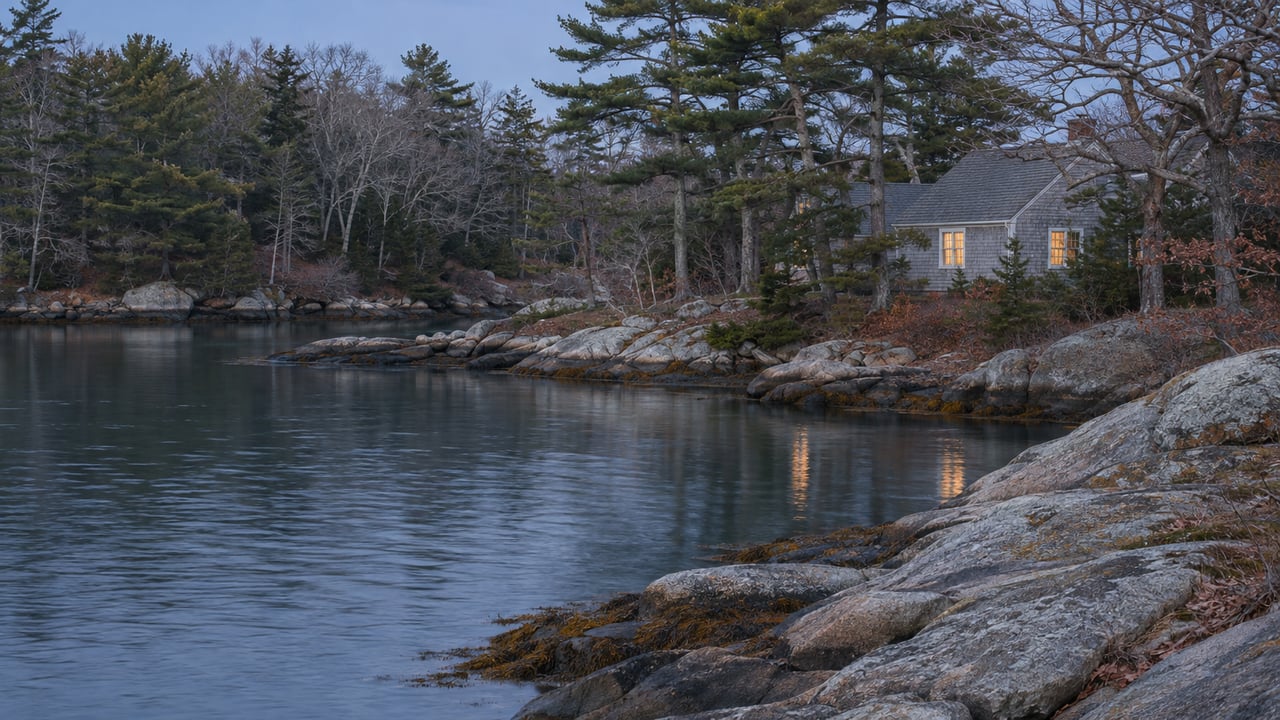
The East End and Munjoy Hill area centers on the Eastern Promenade waterfront. Broad views, public gardens, beach access, and trail connections all shape the feel of the neighborhood.
If your ideal day includes walking near the water or spending time outdoors without leaving the city, this area stands out. It blends residential living with some of Portland’s most visible public open space.
Food and arts are part of daily life
In Portland, food and culture are not just weekend extras. They are woven into ordinary routines, especially in and around the Arts District and Old Port. Local sources describe the city as having a notable dining scene, and Creative Portland identifies First Friday Art Walk as a monthly event centered primarily in the Arts District.
For you, that can mean more flexibility in how you spend your evenings. A gallery visit, a casual dinner, or a performance may fit naturally into a weeknight because many of these places sit close together in the peninsula core.
Congress Street has a steady rhythm
The Arts District, especially around Congress Street, supports a visible public-culture presence with galleries and performance spaces. That gives Portland a lived-in cultural feel rather than one that depends only on major events.
If you like a city where arts are easy to encounter, Portland delivers that in a practical way. You do not need to plan a full outing to enjoy what the city offers.
Outdoor access is built into the city
One of Portland’s strongest everyday advantages is that outdoor life happens inside the city, not far beyond it. Portland Trails says its network reaches within half a mile of every Portland resident and within a quarter mile of 95% of homes, with nearly 100 miles of trails in the network.
That level of access changes how outdoor time fits into your routine. A walk, run, or waterfront break can be part of a normal weekday instead of something saved for a day trip.
Back Cove Trail and Eastern Promenade Trail
The Back Cove Trail is a 3.6-mile loop with bus access, and the Eastern Promenade Trail is a 2.1-mile waterfront route with bus access, benches, picnic tables, and a connection to East End Beach. East End Beach also offers swimming, a public boat launch, and summer facilities.
If you value movement and fresh air as part of your daily schedule, Portland supports that well. These are not hidden amenities. They are woven into the city’s layout and used as part of regular life.
Getting around Portland day to day
Portland works well for people who want short trips and multiple ways to get around. Greater Portland Metro runs local fixed-route service throughout Portland and nearby towns, and Route 1 connects Thompson’s Point and the Portland Transportation Center with downtown and Munjoy Hill by way of Congress Street and Fore River Parkway.
Commute data also supports the idea of a compact city. Census Reporter shows a mean travel time to work of 19.4 minutes, which aligns with a place where many daily trips stay relatively short.
Do you need a car in Portland?
For many people, a car is helpful in Portland, but it may not define daily life. Walkability, trail access, and some transit support make it possible for many routines to stay local.
That does not mean every household uses the city in the same way. But if you are looking for a place where you can combine walking, bus access, and short drives, Portland offers that balance.
Housing shapes the Portland lifestyle
Portland’s housing stock has a strong urban profile. Census Reporter shows 39,175 housing units, with 89% occupied, 57% renter-occupied, and 62% of structures categorized as multi-unit. The average household size is 1.9 persons.
Those numbers tell you a lot about daily living. Apartments, condos, and other multi-unit homes are a major part of the city, and many residents live in relatively compact spaces compared with more suburban settings.
What kinds of homes you will see
Portland’s land-use code distinguishes between single-family, two-family, and multifamily dwellings, which reflects the range of homes you may encounter. Depending on the neighborhood, your options may include condos, apartments, historic homes, two-unit properties, or multifamily buildings.
As a shorthand, denser areas like the Old Port, Bayside, and the Arts District tend to fit people looking for condo-style or apartment-style urban living. The West End and East End generally offer more historic residential character.
Renting is a major part of city life
The city also maintains a Housing Safety and Rent Control page with long-term rental registration and tenant resources. That reinforces how important rental housing is to Portland’s overall market and everyday life.
If you are deciding whether to rent first or buy right away, that context matters. Portland is not a one-size-fits-all ownership market, and your best fit may depend on how much space, walkability, and maintenance responsibility you want.
Costs and expectations matter
QuickFacts reports a 2020-2024 median household income of $79,540 and a 2020-2024 median owner-occupied home value of $489,600. While those numbers do not define affordability for every buyer, they do suggest that ownership costs in Portland are meaningful.
That is why it helps to think clearly about your priorities. If your goal is to live close to restaurants, trails, and waterfront access, you may be weighing location and convenience against square footage or housing type.
What everyday living looks like overall
At its core, Portland feels like a small, dense coastal city where daily needs and lifestyle perks overlap. You can live in a historic residential neighborhood, a denser mixed-use area, or a waterfront-oriented part of the peninsula and still stay connected to trails, dining, and culture.
For many buyers and sellers, that is the real appeal. Portland offers a version of city living that feels manageable, place-specific, and tied closely to the coast.
If you are trying to figure out which neighborhood, home style, or pace of living fits you best, local context makes a big difference. Waypoint Brokers Collective brings a partner-led, neighborhood-savvy approach to Portland real estate, with guidance that helps you match your home search to the way you actually want to live.
FAQs
What is everyday life like in Portland, Maine?
- Everyday life in Portland often centers on short distances, distinct neighborhoods, walkable streets, local dining, cultural venues, and easy access to waterfront trails and parks.
What are the main neighborhood lifestyle differences in Portland, Maine?
- The West End offers a quieter historic residential feel, Parkside is close to Deering Oaks, Old Port and Bayside are denser and more active, and the East End or Munjoy Hill stands out for waterfront views and trail access.
Is Portland, Maine walkable for daily errands and activities?
- Portland’s compact peninsula, short average commute time, trail coverage, and local transit service support a lifestyle where many daily trips can stay relatively short.
Does Portland, Maine have good outdoor access within the city?
- Yes. Portland Trails reports nearly 100 miles in its network, including the Back Cove Trail and Eastern Promenade Trail, and East End Beach adds swimming and public boat launch access.
What types of homes are common in Portland, Maine?
- Portland has a strong urban housing mix, with many multi-unit buildings, apartments, condos, and other attached or compact housing options, along with single-family and two-family homes in some neighborhoods.
Is renting common in Portland, Maine?
- Yes. Census Reporter shows that 57% of occupied housing units are renter-occupied, and the city maintains rental registration and tenant resource information through its Housing Safety and Rent Control page.
What should buyers know about Portland, Maine housing costs?
- QuickFacts reports a 2020-2024 median owner-occupied home value of $489,600, which suggests buyers should be clear about tradeoffs between location, home type, and space.
Who is Portland, Maine a good fit for?
- Portland may appeal to people who want a compact coastal city lifestyle with neighborhood variety, access to trails and waterfront spaces, and daily proximity to food, arts, and culture.