If Cape Elizabeth has always felt like your summer reset, you may be wondering what it would feel like to stay after the visitors head home. That is a smart question, because living here year-round is different from enjoying it for a long weekend. If you are thinking about turning a seasonal connection into a full-time move, this guide will help you understand daily life, housing, winter realities, and what makes Cape Elizabeth work as a permanent home. Let’s dive in.
Cape Elizabeth is built for year-round living
Cape Elizabeth is not just a vacation backdrop. It is a small coastal town about five miles southeast of Portland with an estimated 2024 population of 9,688, and town materials describe a community that has preserved open space, working farms, fisheries, and natural resources while maintaining full year-round services.
For you as a buyer, that matters. Cape Elizabeth offers the structure of a settled residential town, with a full-time police department, public works, a library, emergency preparedness services, a full-service town hall, and water and sewer through the Portland Water District.
The numbers support that full-time identity. Census data shows an 88.0% owner-occupied housing rate, and 91.9% of residents lived in the same house one year earlier. That kind of stability often points to a place where people put down roots and stay.
Cape Elizabeth also has a broad mix of age groups. About 26.0% of residents are under 18, and 25.7% are 65 or older, which helps explain why the town feels lived-in across seasons instead of shaped around just one stage of life.
What changes when you live here full-time
A seasonal visit usually highlights the obvious draws: ocean views, beaches, Fort Williams, and the energy of summer. Year-round living shifts your focus toward routines, road access, winter weather, errands, and the kind of home that fits your day-to-day life.
That shift is important because Cape Elizabeth functions more like a residential coastal town than a resort market. Town and census data suggest a place where people commute, maintain homes through all four seasons, and use local open space as part of regular life.
For many buyers, that is exactly the appeal. You get the coastline and preserved land, but you also get a community set up for January, not just July.
Coastal access stays part of daily life
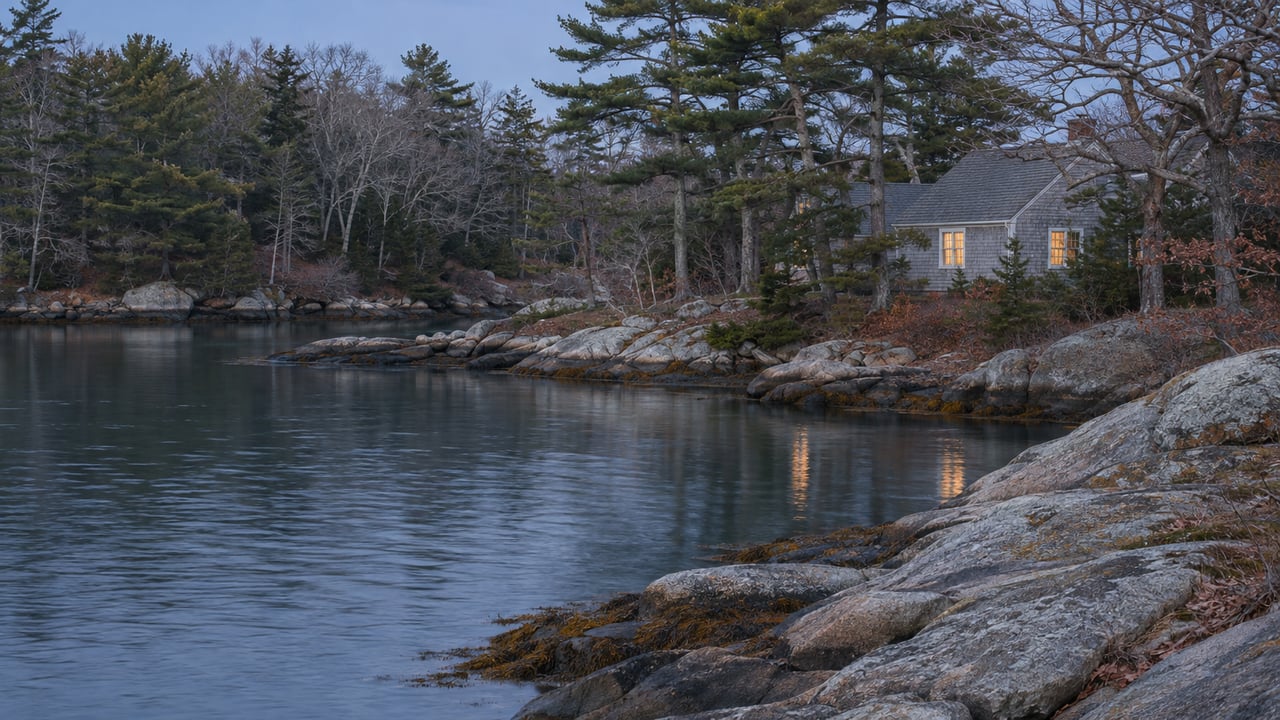
One of the biggest benefits of living in Cape Elizabeth full-time is that the coast does not disappear after summer. The town is surrounded by water on three sides, and town materials state that there is public access to all of those water bodies.
That means your relationship to the shoreline can become more routine and less occasional. Fort Williams Park includes waterfront trails and a small beach, and ocean access is also available at Two Lights State Park, Crescent Beach State Park, and Kettle Cove State Park.
State park information shows those parks are open daily from 9:00 a.m. to sunset with year-round fee collection. For a resident, that is useful context because it reinforces that these are not summer-only spaces.
Fort Williams also works differently once you live in town. The parking program runs seasonally from April 1 to November 15, and Cape Elizabeth residents park there for free. That is a small but practical example of how the experience changes when you move from visitor to resident.
Greenbelt trails support four-season routines
Cape Elizabeth’s outdoor appeal is not limited to scenic overlooks. Town materials describe about 19.5 miles of greenbelt trail across 18 separate paths, including connections like Fort Williams to Crescent Beach and the Shore Road path.
For full-time residents, that trail network can shape everyday habits. It creates options for walking, running, and getting outside throughout the year, not just on peak beach days.
The town also says Cape Elizabeth has more parkland and permanently dedicated open space than any other community in Cumberland County. That helps explain why open land feels like part of the town’s identity rather than an extra amenity.
Even winter recreation has a place here. Maine DACF has posted winter ski and snowshoe trailer events at Two Lights State Park, which points to a coastal setting that stays active in colder months.
Winter in Cape Elizabeth is real
If you have only experienced Cape Elizabeth in warm weather, winter is the biggest adjustment to understand. Using nearby Portland International Jetport as the NOAA reference station, the 1991 to 2020 climate normals show a January average temperature of 24.0°F, annual snowfall of 68.7 inches, and annual precipitation of 48.12 inches.
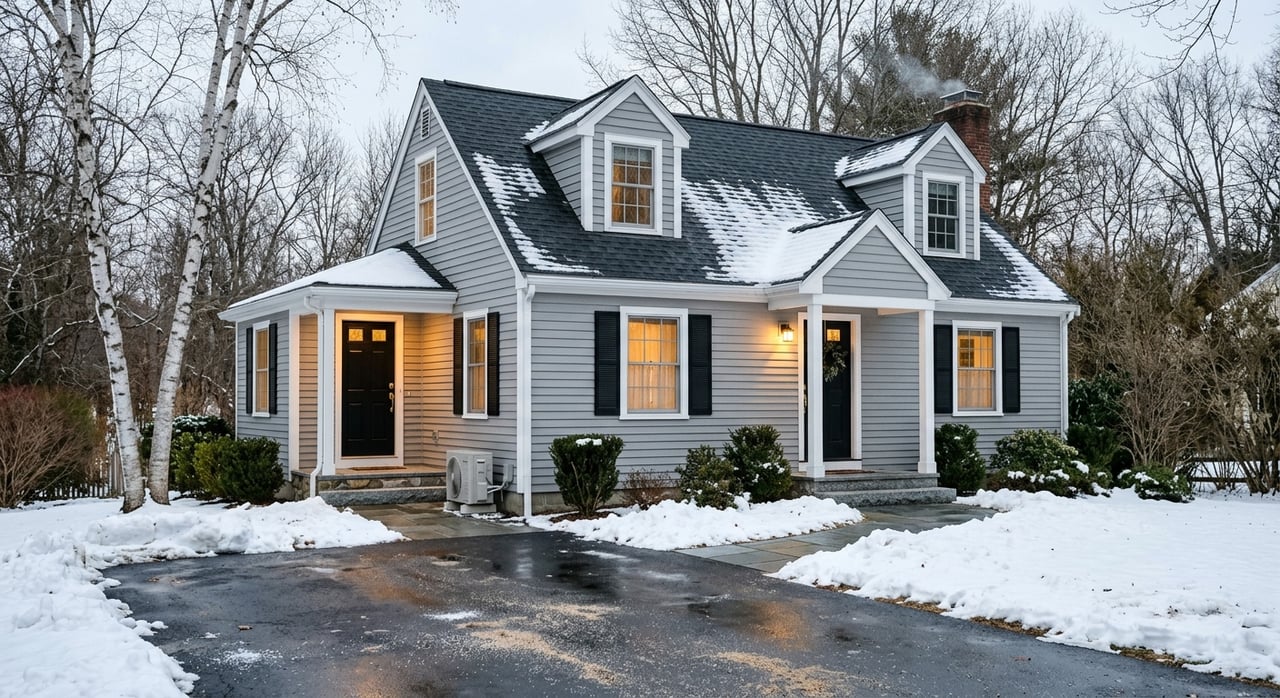
In plain terms, this is a true New England winter. You should expect snow, cold stretches, and the kind of home maintenance and driving preparation that come with coastal Maine.
That does not make year-round living harder than it is worth. It just means your home search should account for winter comfort and practicality, especially if you are moving from a place where seasonal weather is less demanding.
For many buyers, this is where local guidance becomes especially useful. A beautiful summer house can feel very different when you think about heating, storm readiness, snow management, and how you will use the property in February.
Daily commuting is straightforward
Cape Elizabeth feels tucked away, but it stays closely tied to Greater Portland. QuickFacts lists a mean travel time to work of 21.4 minutes for workers age 16 and older, which fits the town’s role as a residential base with relatively short regional commutes.
Town planning materials describe Cape Elizabeth as a peninsula, with the Atlantic on the east and south and the Spurwink River on the west. That geography limits through traffic and helps keep the town from feeling like a cut-through suburb.
Route 77 is the main road to understand. It is the town’s primary commuting route and the main connection to Fort Williams, Two Lights, Crescent Beach, and the broader link through South Portland toward jobs and shopping on the Portland peninsula.
The town’s housing study says 91% of working residents work outside Cape Elizabeth, while 72% of workers employed in town commute from elsewhere. That gives you a clear picture of how the town functions: residential, connected, and close to Portland without being in the middle of it.
The housing market is owner-heavy
If you are moving from visitor to resident, housing availability may be the biggest practical hurdle. Cape Elizabeth has a tight, owner-heavy housing market with limited rental supply.
The town’s housing study says about 90% of occupied housing is owner-occupied, only about 4% of the stock is seasonally vacant, and the rental inventory is small enough that finding a unit can be difficult. Census data is similar, with an 88.0% owner-occupied rate.
That tells you two things. First, Cape Elizabeth is not driven by large-scale seasonal turnover. Second, if you are hoping to rent first and buy later, you may have fewer options than you would in a more urban market.
Most buyers will find single-family homes
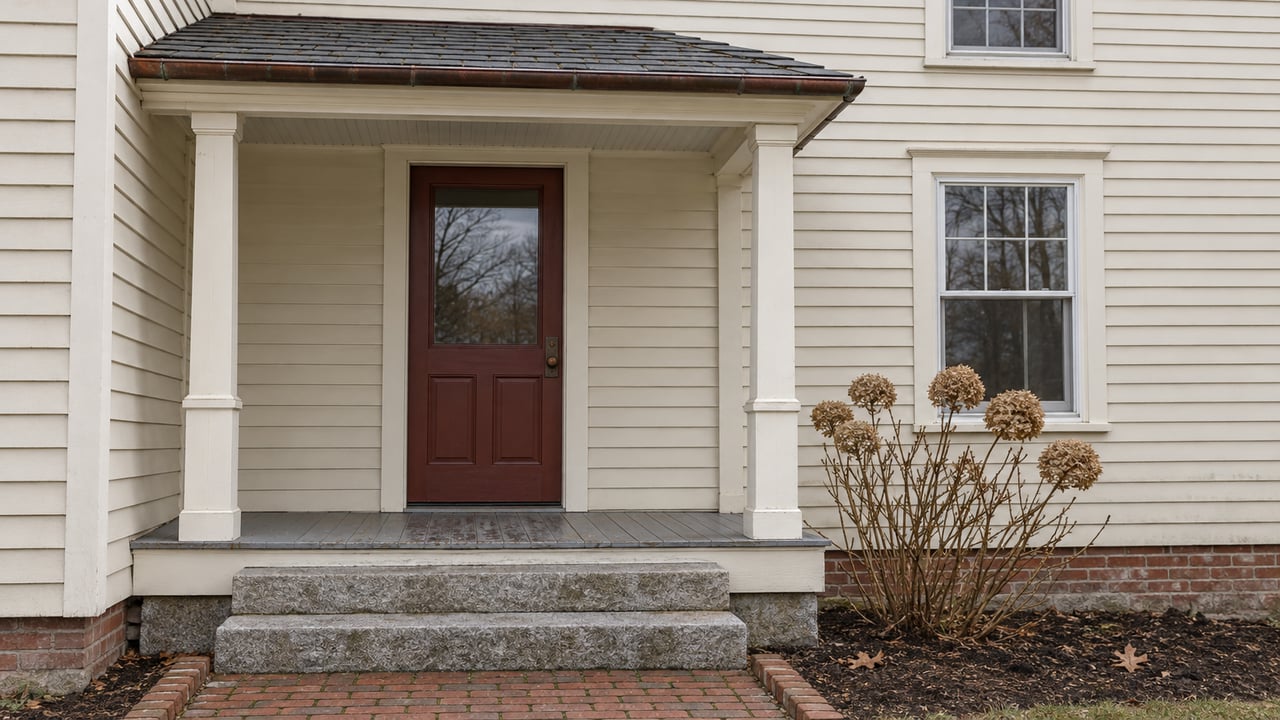
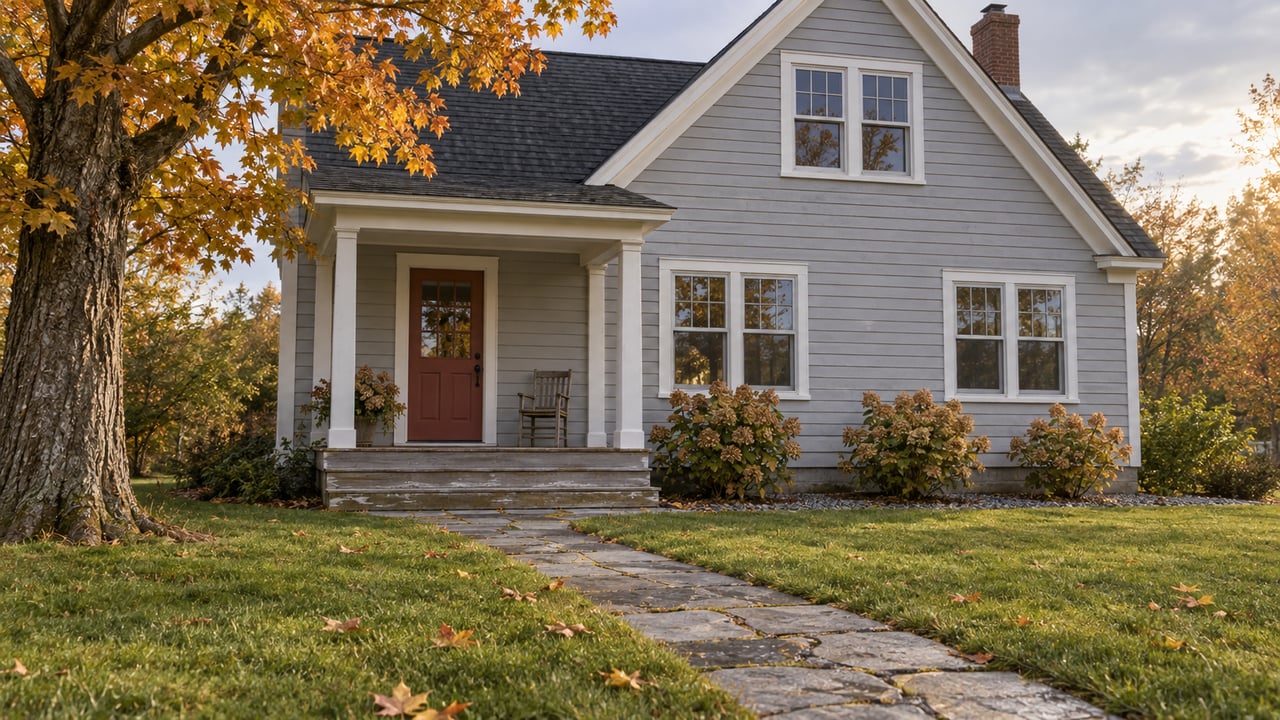
Cape Elizabeth’s housing stock is still dominated by detached single-family homes. The town’s housing diversity study describes the inventory as relatively homogeneous and notes that the town lacks substantial missing-middle housing types.
Land-use materials reinforce that pattern. The town reports that almost all new construction is residential housing, and 73% of that new housing is single-family.
For you as a buyer, that means Cape Elizabeth is often the strongest fit if you want a traditional home setting. If you are searching for a wider range of smaller rentals, condos, or downsize-friendly options, your choices may be more limited here than in Portland or some nearby communities.
That does not mean there are no alternatives. It means the market is shaped primarily around owner-occupied detached homes, so your search strategy should reflect that reality.
Price expectations matter
Cape Elizabeth offers a distinctive lifestyle, but it is not a lightly priced market. Census QuickFacts places the median owner-occupied home value at $731,600 and the median gross rent at $2,185.
Those figures help explain why town consultants describe Cape Elizabeth as not a starter-home community. If you are considering a move, it is worth entering the process with clear expectations about budget, competition, and the kinds of compromises you may or may not want to make.
For some buyers, that means adjusting timing. For others, it means refining priorities around lot size, location within town, home age, or renovation needs.
How to know if Cape Elizabeth fits you
Cape Elizabeth tends to make sense for buyers who want a stable residential setting, regular access to the coast, preserved open space, and an easy connection to Portland. It can be a strong match if you want your everyday life to include trails, shoreline access, and a quieter pace without giving up regional convenience.
It is less ideal if you are looking for a lower-cost entry point, abundant rental choices, or a highly urban housing mix. The town’s data points to a market centered on ownership, long-term residency, and single-family homes.
That is why the move from seasonal visitor to resident is not only about loving the scenery. It is about deciding whether the full rhythm of the town fits the way you want to live all year.
Making the move with a long view
When you buy in Cape Elizabeth, you are not just choosing a location for summer weekends. You are choosing winter roads, commute patterns, trail access, housing inventory, and the day-to-day experience of living in a coastal Maine town.
A thoughtful search should look beyond curb appeal. It should also consider how a home performs across seasons, how it supports your routine, and how it aligns with your long-term goals.
That long-view approach is especially important in a market like Cape Elizabeth, where inventory is limited and the lifestyle is distinct. If you are weighing a move, local insight can help you focus on the homes and tradeoffs that truly fit.
If you are ready to explore what year-round life in Cape Elizabeth could look like, Waypoint Brokers Collective can help you find your better way home.
FAQs
What is year-round living like in Cape Elizabeth, Maine?
- Year-round living in Cape Elizabeth means full municipal services, regular access to coastal parks and trails, a mostly owner-occupied housing market, and real winter conditions with snow and cold temperatures.
Is Cape Elizabeth a seasonal town or a full-time residential community?
- Cape Elizabeth functions more like a full-time residential coastal town than a seasonal resort area, with high owner occupancy, strong residential stability, and a full set of town services.
What types of homes are most common in Cape Elizabeth?
- Detached single-family homes are the most common housing type in Cape Elizabeth, while smaller rentals, condos, and other missing-middle options are more limited.
How hard is it to rent before buying in Cape Elizabeth?
- Renting can be challenging because the local rental inventory is limited, and town housing data indicates that available rental options are relatively scarce.
What should buyers know about winter in Cape Elizabeth?
- Buyers should plan for true coastal Maine winter weather, including an average January temperature of 24.0°F and annual snowfall of 68.7 inches, which can affect home comfort, maintenance, and daily routines.
How close is Cape Elizabeth to Portland for commuting?
- Cape Elizabeth is about five miles southeast of Portland, and census data shows a mean travel time to work of 21.4 minutes, making it a practical location for many regional commuters.