Selling in South Portland can feel deceptively simple. Homes are still moving quickly here, but that does not mean buyers will overlook deferred maintenance, clutter, or signs that a home may need more work than expected. If you want to stand out for the right reasons, the goal is not perfection. It is preparation. In this guide, you’ll learn how to get your South Portland home ready for today’s buyers with practical steps that build confidence, protect value, and support a smoother sale. Let’s dive in.
Why preparation matters in South Portland
South Portland remains a competitive market. In March 2026, the median sale price was $607,500, homes sold in a median of 27 days, and many listings received multiple offers. In a market like that, buyers often move fast, but they also compare homes carefully.
That matters because South Portland offers a mix of housing types. Buyers may be weighing an older single-family home against a condo or a smaller owner-occupied multifamily property in the same search. If your home feels clean, functional, and well cared for, it can stand out even before buyers look closely at the details.
The city also serves as a regional employment and commuter hub. That means many buyers are not just shopping for square footage. They are also looking for convenience, comfort, and a home that feels ready for daily life.
Start with condition, not cosmetics
Before you think about paint colors or decor, focus on the basics. Today’s buyers tend to respond well to homes that feel maintained and easy to manage. They do not necessarily expect a full remodel, but they do notice issues that suggest future expense or hassle.
A smart first step is to walk through your home as if you were seeing it for the first time. Look for anything that signals unfinished work, neglect, or risk. Small defects can create outsized concern when buyers are already budgeting for a move.
Fix the issues buyers notice first
Prioritize repairs that reduce buyer anxiety and are likely to come up during an inspection. In many homes, that means addressing:
- Roof wear or visible leaks
- Plumbing drips or signs of water damage
- Sticking doors and windows
- Outdated electrical concerns or visible safety issues
- Moisture intrusion in basements or crawl spaces
- Damaged flooring, broken fixtures, or loose railings
These are not glamorous fixes, but they matter. When buyers see obvious defects, they often assume there are hidden problems too.
Consider a pre-listing inspection
A pre-listing inspection is not required, but it can help you identify issues before your home hits the market. It may also reduce surprises later, especially if a buyer’s inspection would likely uncover the same concerns.
For South Portland sellers, this can be especially useful in older homes where age-related issues may be harder to spot at a glance. Even if you choose not to complete every repair, knowing the likely findings helps you plan pricing, disclosures, and next steps with more confidence.
Pay attention to older-home concerns
South Portland has many homes with character, and that charm can be a real asset. At the same time, older homes often need a little more care before listing. The right approach is to preserve what makes the home appealing while addressing health, safety, and maintenance items that could raise questions.
In Maine, older homes may still contain lead-based paint, and radon is a known in-home hazard. Maine guidance also notes that sellers must make certain disclosures about lead and radon. That makes it worth having an early conversation with your listing agent about what applies to your property and whether pre-listing testing makes sense.
Focus on health and safety
If your home was built decades ago, buyers may be especially alert to environmental and system-related concerns. You do not need to overcorrect, but you do want to avoid preventable surprises.
Useful prep steps may include:
- Reviewing any past lead or radon documentation you already have
- Discussing current disclosure requirements with your agent
- Considering pre-listing radon or other targeted testing where appropriate
- Repairing peeling or chipping painted surfaces where needed
- Organizing records for system maintenance, repairs, and updates
Documentation can be just as reassuring as the repair itself. When buyers see a clear record of care, they are often more comfortable moving forward.
Clean, declutter, and simplify
Once condition issues are handled, presentation becomes your next advantage. Staging and basic preparation can shape how buyers experience your home, and even modest improvements can help them picture themselves there.
National staging data shows that staging helps buyers visualize a property as a future home, and that the living room, primary bedroom, and kitchen tend to matter most. You do not need to create a magazine set. You just need spaces that feel calm, clean, and easy to understand.
Your core presentation checklist
Start with the simple work that has the biggest visual impact:
- Deep clean floors, walls, windows, and lighting fixtures
- Reduce clutter on counters, shelves, and furniture surfaces
- Remove or minimize highly personal items
- Open blinds and curtains to maximize natural light
- Replace burnt-out bulbs and use consistent warm lighting
- Store pet items neatly during showings
- Keep appliance manuals, warranties, and system information together
This step matters because buyers often make emotional decisions quickly. A tidy, bright home feels easier to trust.
Give extra attention to key rooms
If you are short on time or budget, focus your effort where it counts most. Buyers tend to pay the closest attention to the living room, primary bedroom, and kitchen.
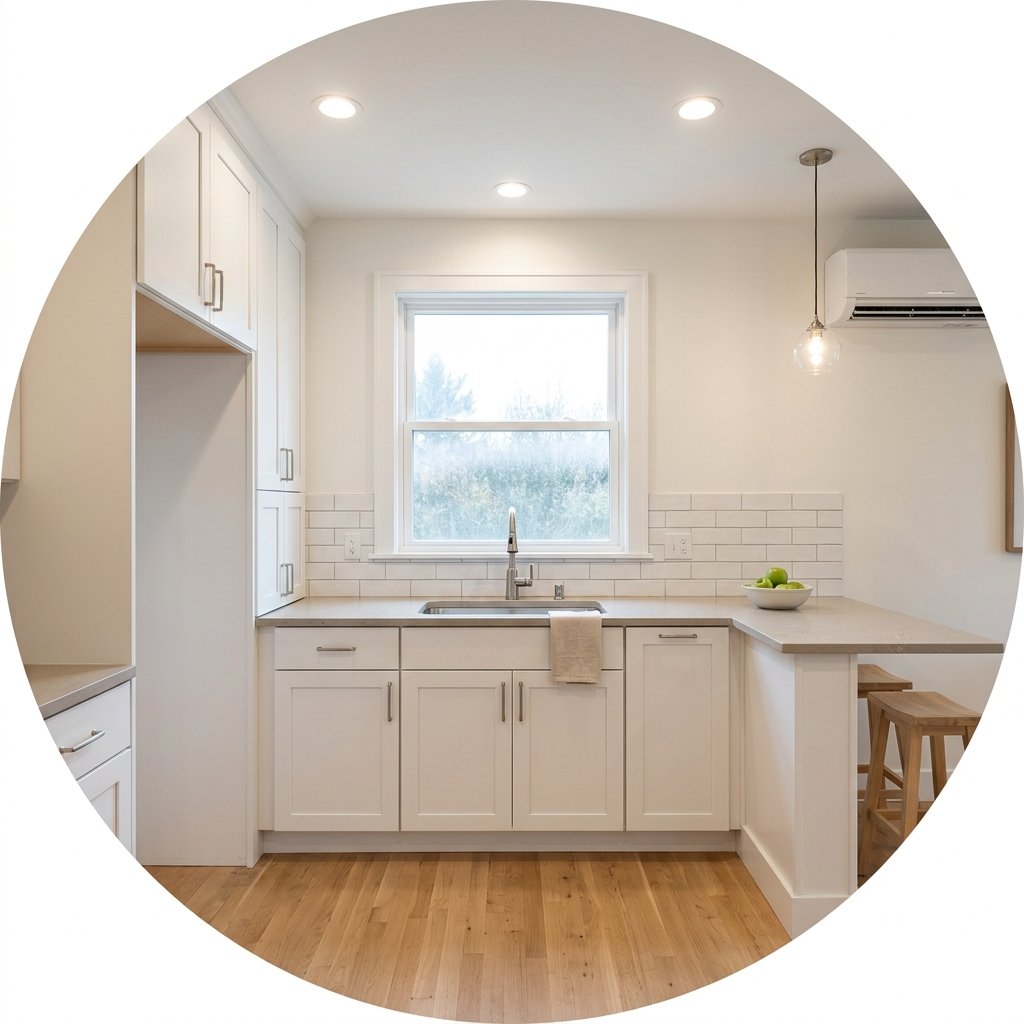
In the living room, aim for clear traffic flow and a sense of space. In the primary bedroom, keep decor minimal and restful. In the kitchen, clear counters, clean surfaces thoroughly, and make sure storage areas feel functional rather than overstuffed.
Boost curb appeal the practical way
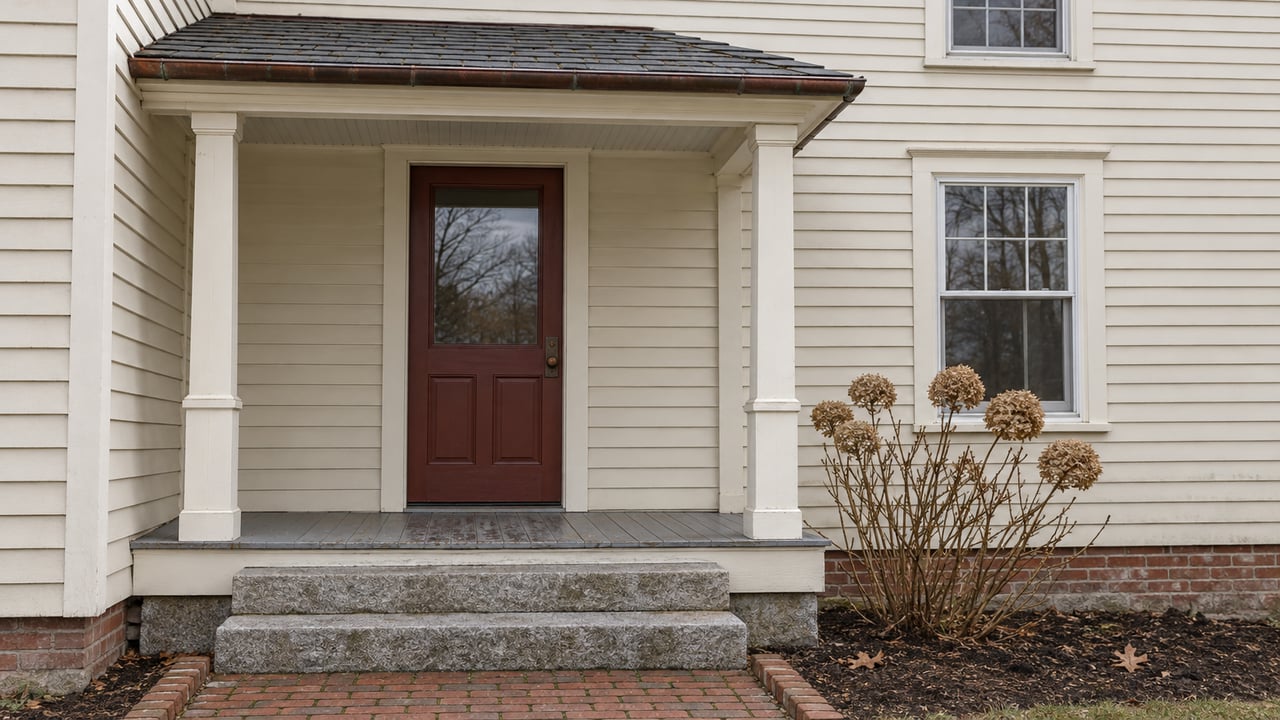
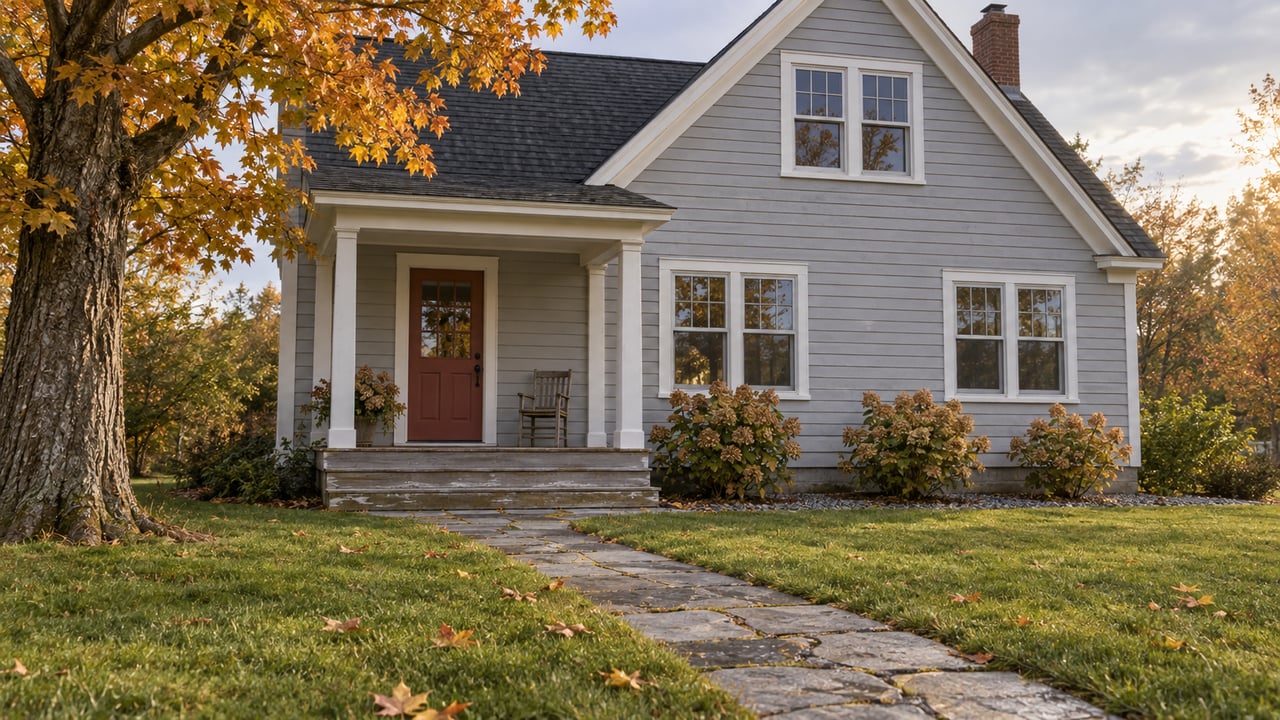
In South Portland, first impressions often begin before buyers step inside. A tidy exterior and welcoming entry can make an older home feel intentionally maintained rather than simply old.
You do not need a major landscaping project to create that effect. Simple outdoor improvements often do the job better than expensive ones.
What to tackle outside
Focus on visible upkeep and a clean arrival experience:
- Mow, edge, and trim landscaping
- Clear leaves, debris, and seasonal clutter
- Touch up peeling paint where needed
- Clean the front door, porch, and house numbers
- Make sure exterior lighting works
- Store bins, hoses, and tools out of sight
- Wash siding, steps, and walkways if needed
These updates signal care. For many buyers, that sets the tone for the rest of the showing.
Highlight efficiency without over-improving
Energy efficiency is increasingly relevant to buyers, especially in older Maine housing stock where comfort and operating costs matter. The strongest message is not that your home has every possible upgrade. It is that the home performs well, feels comfortable, and shows signs of thoughtful maintenance.
Features like better insulation, air sealing, efficient heating and cooling, and smart thermostats can be meaningful selling points. They may also support day-to-day comfort in ways buyers notice right away during a showing.
Choose smart, buyer-facing upgrades
If you are deciding where to spend before listing, prioritize improvements that buyers can feel or understand easily:
- Draft reduction around windows and doors
- Insulation improvements in attics, basements, or crawl spaces
- Heating and cooling updates where appropriate
- Smart thermostat installation
- Clear records of energy-related work already completed
These improvements are often more useful than highly customized cosmetic projects. They support comfort, reduce uncertainty, and help your home feel cared for.
Know the role of local incentives
Current Efficiency Maine incentives may help offset some pre-listing improvements. As of May 2026, available rebates include heat pump and insulation or air sealing incentives at different levels based on household income, with work required through an Efficiency Maine Residential Registered Vendor.
Terms can change, so treat these as incentives to verify rather than guaranteed savings. If you are considering upgrades before selling, it helps to weigh the likely return based on your home’s age, systems, and expected buyer pool.
Price and prep should work together
Preparation is not separate from pricing. The more complete and buyer-ready your home feels, the easier it is to support your list price and reduce negotiation pressure later.
That does not mean every home needs the same level of work. Some homes benefit from targeted repairs and light staging. Others may need deeper system updates or a more strategic plan around disclosures, timing, and positioning.
In South Portland, where buyers may compare several property types and move quickly when the right one appears, a thoughtful prep plan can make your home easier to understand and easier to choose.
Build a plan around your home
The best pre-sale strategy is never one-size-fits-all. A historic single-family home, a condo, and an owner-occupied multifamily property each call for a different approach. Age, condition, layout, and likely buyer expectations all shape what is worth doing before you list.
A local, partner-led brokerage can help you sort the must-do items from the nice-to-do ones. That kind of guidance is especially valuable when you want to balance market appeal, budget, timing, and the long-term performance story of your home.
If you’re getting ready to sell in South Portland and want a practical plan that fits your property, connect with Waypoint Brokers Collective to find your better way home.
FAQs
What should sellers fix before listing a home in South Portland?
- Focus first on visible defects and maintenance issues that may worry buyers, such as leaks, roof wear, plumbing drips, sticking windows or doors, moisture problems, and obvious safety concerns.
Is a pre-listing inspection worth it for a South Portland home sale?
- A pre-listing inspection is optional, but it can help you spot issues early, plan repairs, and reduce surprise negotiation points once your home is under contract.
How should you prepare an older home for buyers in South Portland?
- Preserve the home’s character while addressing maintenance, safety, and disclosure-related items, including possible lead-based paint and radon considerations when relevant.
Which rooms matter most when staging a South Portland home?
- The living room, primary bedroom, and kitchen usually deserve the most attention because buyers often focus on those spaces when picturing daily life in the home.
Do energy-efficiency upgrades help when selling a South Portland home?
- They can, especially when they improve comfort, reduce drafts, support lower operating costs, and come with clear documentation that shows the home has been thoughtfully maintained.