Wondering whether buyers in Cape Elizabeth actually notice green upgrades when you sell? In a coastal market where comfort, operating costs, moisture control, and flood awareness matter, the answer is yes, but only if you present those features clearly. If you want your home’s efficient systems and resilient improvements to stand out, this guide will show you what to highlight, what documents to gather, and how to frame it all in a way buyers can understand. Let’s dive in.
Why green features matter in Cape Elizabeth
In Cape Elizabeth, green features are not just about sustainability as an abstract idea. They often connect to everyday concerns like heating costs, indoor comfort, moisture management, and coastal durability. That makes them practical selling points for buyers comparing homes in a Maine coastal setting.
Flooding is one of Maine’s most frequent and damaging hazards, and state guidance notes that sea level rise is making coastal flooding more frequent. Cumberland County also faces coastal beach erosion, and Cape Elizabeth has a local flood hazard development permit process that requires flood-zone and elevation information for some coastal work. For sellers, that means resilience upgrades can be relevant and marketable when they are documented.
Buyer interest in energy efficiency is also growing. National survey data shows that agents increasingly work with homes that have green features, and that windows, doors, and siding are among the features buyers notice most. Utility bills and operating costs are also a major concern, so the homes that stand out are often the ones that make performance easy to see and easy to verify.
Start with comfort and efficiency
The easiest green features to explain are often the ones buyers can feel right away. If your home has fewer drafts, steadier temperatures, and lower heating demand, those benefits are easier for buyers to understand than broad claims about sustainability. In Cape Elizabeth, practical performance usually resonates more than buzzwords.
Highlight heat pumps clearly
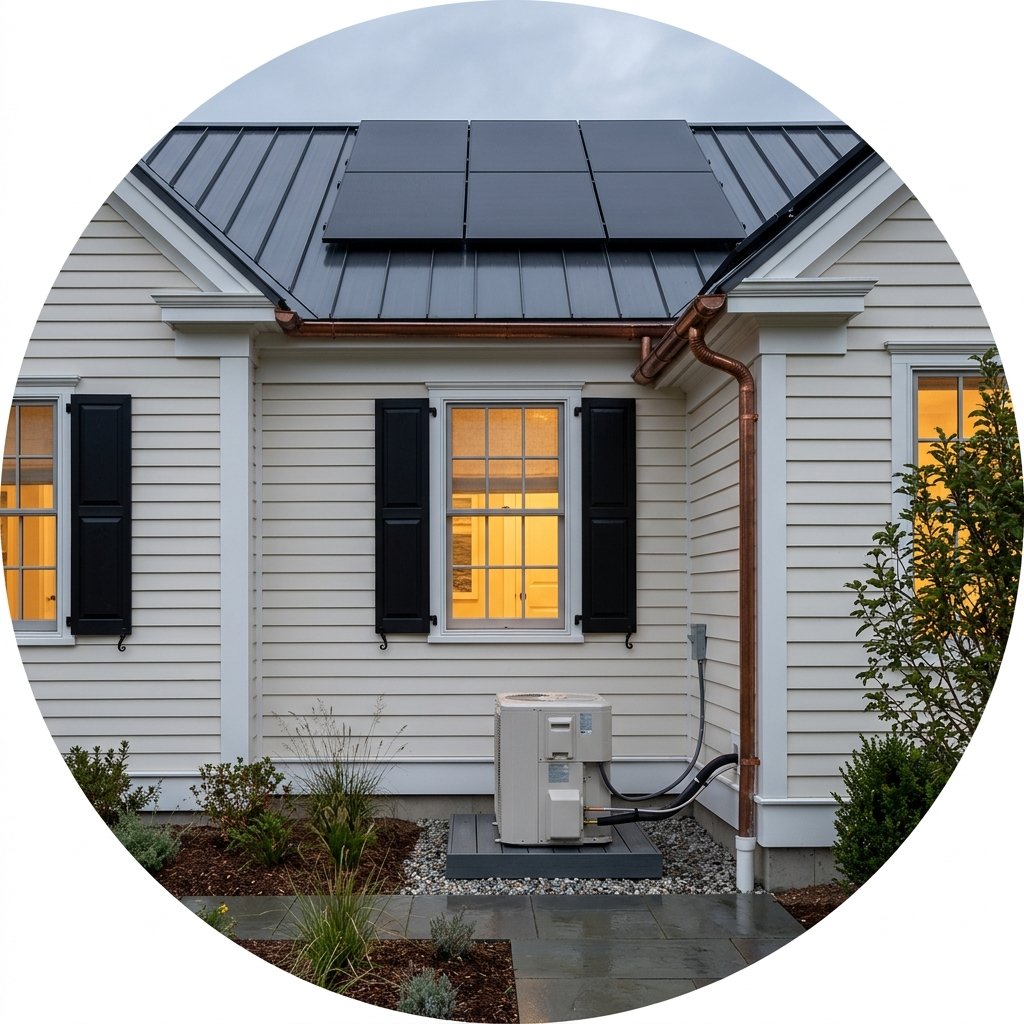
Heat pumps are one of the strongest features to call out in Maine. Efficiency Maine says more than 200,000 heat pumps have been installed in homes and businesses across the state, and they are now more common than oil heat in new homes. They are familiar to many buyers and can provide heating, cooling, dehumidification, air filtration, and indoor air circulation.
When you market a heat pump system, be specific. Buyers will want to know whether the system serves the whole home or only certain rooms, whether it is the primary system or a supplement, how old it is, and who has serviced it. If you have cold-climate or ENERGY STAR documentation, that can help support the feature.
Show the value of insulation and air sealing
Weatherization work can be just as important as visible mechanical upgrades. Insulation and air sealing help reduce drafts and heat loss, and Efficiency Maine notes they can also lower the risk of ice dams, frozen pipes, cold spots, and moisture issues. That is a strong value story in a Maine home.
The challenge is that buyers cannot always see this work. If you have records for added insulation, attic work, basement sealing, or related improvements, bring them forward in your listing package. These details help turn hidden upgrades into real selling points.
Use energy assessments as proof
If you have had a home energy assessment, blower-door test, thermal imaging, or Home Energy Score, those reports can add credibility. They help buyers understand where the home performs well and what work has already been done. They can also help your listing agent present the home in a more concrete, buyer-friendly way.
This matters because appraisers may have difficulty assigning value to green and energy-efficient features if they are not documented. Clear records give everyone involved a better picture of the home’s performance, from buyers to appraisers.
Don’t overlook healthy-home upgrades
Healthy-home features can be powerful when they are framed in simple, everyday terms. Buyers care about air quality, moisture control, and a home that feels well maintained. In many cases, these upgrades support both comfort and peace of mind.
Focus on air quality and moisture control
A tight, well-insulated home can have better indoor air quality than a leaky one when it includes proper mechanical ventilation. Moisture control also matters because it helps reduce the risk of mold and mildew. If you have added ventilation, dehumidification, or made repairs tied to moisture management, those details may be worth highlighting.
Keep the wording practical and factual. You are not trying to oversell the home. You are helping buyers understand how the systems and improvements support daily living.
Address radon with documentation
In Maine, radon deserves special attention. The state says any house can have a radon problem, recommends testing when buying or selling, and requires disclosure of test results if a test was done before the home was listed. Maine’s seller disclosure law also specifically covers radon and other hazardous materials.
If your home has been tested, keep the results ready. If mitigation work was completed, include receipts and service details. This kind of documentation shows buyers that you have approached the issue responsibly and transparently.
Coastal resilience can strengthen your listing
In Cape Elizabeth, resilience upgrades may be especially relevant because of the coastal environment. Buyers may not use technical language, but they often understand the value of a home that is better prepared for wet, windy conditions. The key is to describe these improvements in plain language.
Use simple, factual terms
Instead of relying on vague green labels, describe the actual work completed. Good examples include elevated mechanicals, flood vents, drainage improvements, moisture-resistant finishes, sealed foundations, or protected HVAC and electrical equipment. These are the kinds of details that can help a buyer picture how the home has been improved.
FEMA guidance also supports measures such as elevating utilities, anchoring fuel tanks, adding flood vents, and using flood-resistant materials where appropriate. In a coastal area, practical resilience can be just as important to a buyer as energy savings.
Keep permits and flood records handy
Cape Elizabeth’s flood permit form requires flood-zone and elevation information for some coastal projects. If you completed work tied to flood risk or coastal conditions, gather the related local paperwork before your home hits the market. Having those records ready can make your listing stronger and your disclosures smoother.
This is especially helpful when buyers ask detailed questions. A clear file shows that improvements were not just completed, but also documented in a way that supports the sale.
Gather the right documents before listing
One of the best ways to highlight green features is to treat them like part of the home’s value story, not like an afterthought. Maine’s residential disclosure law provides a useful roadmap because it covers items such as water supply, insulation, heating system type and age, service history, annual fuel use, waste disposal, hazardous materials, known defects, flood hazard, and shoreland-zoning issues.
A well-prepared seller in Cape Elizabeth should gather records early. This gives your agent better material for pricing, marketing, and buyer conversations. It also helps reduce uncertainty once the listing is live.
Your green-feature document checklist
- Heat system file with model numbers, installation date, service receipts, and notes on whether the heat pump is a main system or a supplement
- Utility bills and fuel delivery records
- Insulation and air-sealing invoices
- Energy-audit notes, blower-door results, thermal-imaging reports, or Home Energy Score documents
- Radon test results and mitigation receipts
- Ventilation, dehumidification, or moisture-repair records
- Flood-zone map panel, elevation certificate, flood permit, or drainage-work documentation if applicable
- Window, siding, and roof specifications, warranties, and contractor notes tied to weatherization or durability work
- Before-and-after photos of major upgrades
Write listing copy that buyers understand
The strongest listing language is concrete, not promotional. Buyers respond better to specific benefits like quieter rooms, steadier temperatures, lower drafts, lower operating costs, and durable materials suited to the coast. That type of language is easier to trust.
You also want to avoid promising a certain resale bump or payback. Survey data suggests there is still uncertainty around the exact dollar impact of some green features, and time on market does not always change in a predictable way. It is smarter to focus on verified improvements and real-world function.
Better ways to describe green features
Here are examples of the kind of framing that works well:
- Cold-climate heat pumps provide efficient heating and cooling in key living areas
- Insulation and air sealing improvements help reduce drafts and support steadier indoor temperatures
- Documented radon testing and mitigation completed
- Drainage and moisture-control improvements support long-term durability
- Elevated mechanicals and flood-aware updates completed for coastal conditions
- Updated windows, doors, or siding may support comfort and lower operating costs
This approach works because it keeps the focus on what buyers care about most. It also aligns with Maine disclosure requirements and the broader need for verifiable facts.
Why documentation helps with value
Strong documentation does more than improve your listing description. It can also help appraisers and buyers recognize the work you have already done. Appraisal guidance notes that without documentation, it can be harder to attribute value to green or energy-efficient features.
Fannie Mae’s updated appraisal framework also includes sections for disaster mitigation and energy-efficient or green features. That means the market is getting better at recognizing these improvements, but only when they are identified and supported clearly. In other words, your paperwork can be part of your pricing and marketing strategy.
A smart Cape Elizabeth selling strategy
For many Cape Elizabeth sellers, the best strategy is simple. Highlight the features that improve comfort, efficiency, air quality, and resilience, then back them up with records. In this market, the most credible green story is not flashy. It is specific, useful, and well documented.
If you are preparing to sell, a partner-led strategy can help you decide which upgrades matter most, how to present them in the listing, and how to organize the details buyers will want to see. When your home’s performance is easy to understand, it has a better chance to stand out for the right reasons.
If you want help positioning your Cape Elizabeth home with clarity and confidence, Waypoint Brokers Collective can help you tell that story in a way buyers understand. Find your better way home.
FAQs
What green features should sellers highlight in a Cape Elizabeth listing?
- The most useful features to highlight are documented heat pumps, insulation and air sealing, updated windows or siding, radon testing or mitigation, moisture-control improvements, and coastal resilience upgrades such as elevated mechanicals or drainage work.
Why do green upgrades matter when selling a home in Cape Elizabeth?
- In Cape Elizabeth, green upgrades often connect to practical benefits like lower drafts, steadier temperatures, lower operating costs, better moisture control, and added resilience in a coastal environment.
What documents help support green home features during a Cape Elizabeth sale?
- Helpful documents include utility records, fuel-use history, service invoices, insulation receipts, energy-audit reports, radon test results, permits, flood-zone records, elevation information, warranties, and before-and-after photos.
Should Cape Elizabeth sellers mention radon testing in the listing process?
- Yes. Maine recommends radon testing when buying or selling, and if a test was done before the home was listed, the test results must be disclosed.
How should Cape Elizabeth sellers describe coastal resilience improvements?
- Use plain, factual language such as elevated utilities, flood vents, drainage improvements, sealed foundations, or moisture-resistant materials, and avoid vague claims that are not supported by documentation.
Can green features help a Cape Elizabeth home appraise better?
- They may be easier for an appraiser to recognize when they are clearly documented, identified in the listing, and supported with records such as installation details, reports, permits, and photos.